Digital vs Analog VFD Control – Pros, Cons, and Real-World Wiring Examples Explained
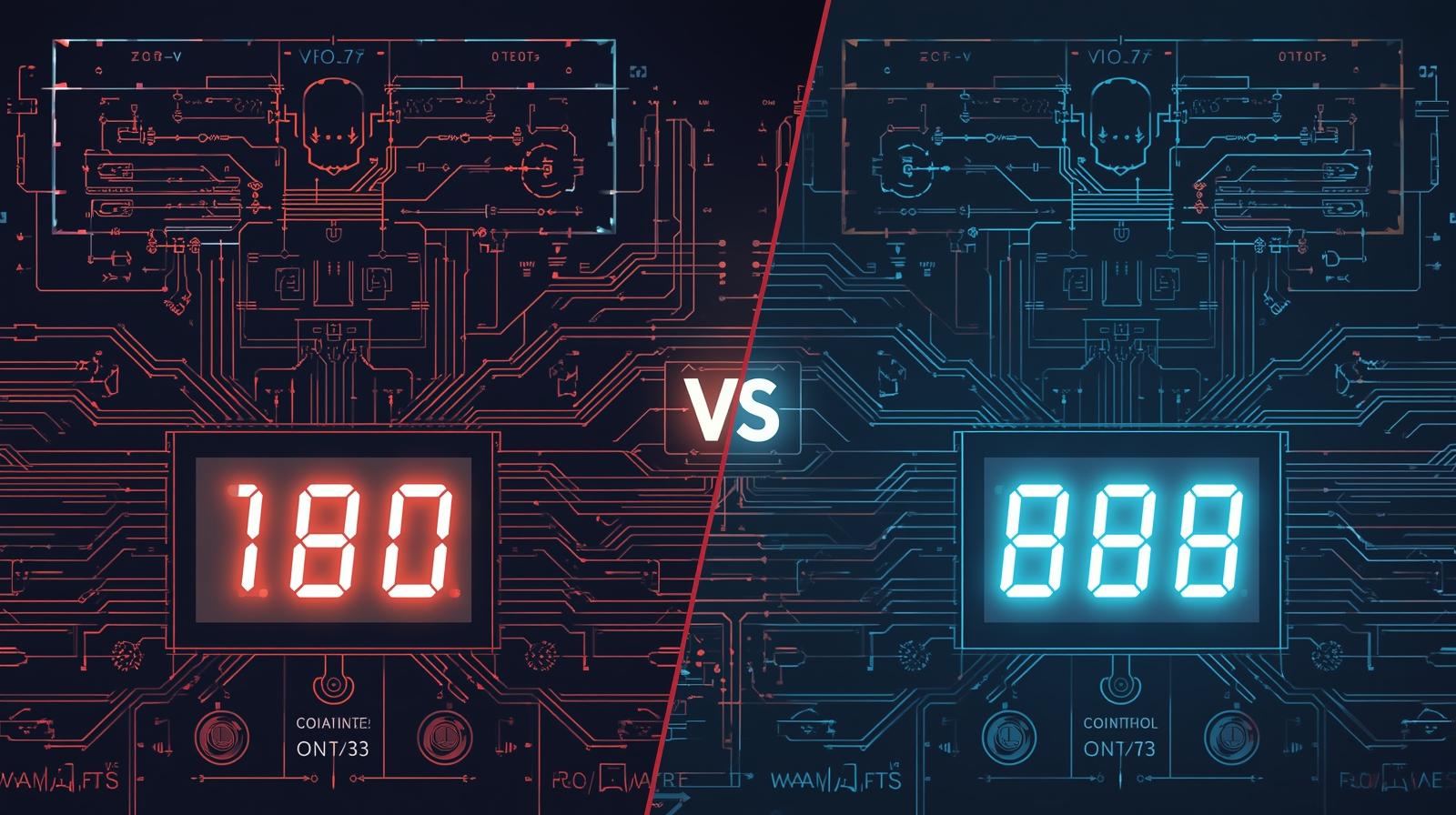
Modern Variable Frequency Drives (VFDs) can be controlled in several different ways. The two most common methods are analog control (0–10V / 4–20mA signals) and digital control (start/stop inputs, fieldbus, or network communications).
Choosing the correct control method affects accuracy, noise immunity, wiring complexity, and overall system reliability. Selecting the wrong approach can lead to unstable speed control, interference issues, or unnecessary installation costs.
In this guide, we compare digital vs analog VFD control, explain the pros and cons of each, and show real-world wiring examples for inverter drives, electric motors, and industrial automation systems.
What Is Analog VFD Control?
Analog control uses a continuously varying electrical signal to command speed or torque.
Common Analog Signals
- 0–10V voltage signal
- 4–20mA current loop
- Potentiometer control
The signal level directly represents motor speed. For example:
- 0V = 0 Hz
- 5V = 25 Hz
- 10V = 50 Hz
Most VFDs include built-in analogue inputs for simple speed control.
What Is Digital VFD Control?
Digital control uses discrete signals or communications to control the drive.
Common Digital Methods
- Start/Stop inputs
- Forward/Reverse inputs
- Preset speeds
- PLC outputs
- Modbus / Ethernet / fieldbus communication
Instead of sending a variable signal, the controller sends commands like “Run”, “Stop”, or “Speed = 35 Hz”.
Analog Control – Advantages
- Simple wiring
- Low cost
- Easy to retrofit
- Works with basic sensors
- Ideal for standalone systems
Analog is often perfect for small systems like pump or fan speed control.
Analog Control – Disadvantages
- Electrical noise sensitive
- Less precise
- Signal drift over long cables
- Limited diagnostics
Poor shielding or long cables can cause unstable speeds or fluctuating motor behaviour.
Digital Control – Advantages
- High accuracy
- Noise immune
- Long cable runs possible
- Full diagnostics and feedback
- Easy PLC integration
- Network control of multiple drives
Digital control is ideal for larger automated systems with multiple drives or central control.
Digital Control – Disadvantages
- Higher cost
- More configuration required
- Requires PLC or communication setup
- More complex troubleshooting
0–10V vs 4–20mA – Which Analog Signal Is Better?
0–10V
- Simple
- Cheap
- More noise sensitive
- Better for short cable runs
4–20mA
- Much more noise resistant
- Better for long distances
- Detects broken wires (0mA fault)
- Industrial standard
For most industrial installations, 4–20mA is preferred.
Real-World Wiring Example – Analog Speed Potentiometer
Simple standalone conveyor or fan:
- 10kΩ potentiometer wired to VFD analogue input
- Manual speed control dial
- No PLC required
Common for small motor applications where basic adjustment is enough.
Real-World Wiring Example – Pressure Sensor with PID
Pump system:
- 4–20mA pressure sensor → analogue input
- VFD internal PID loop enabled
- Drive automatically controls speed
This setup is very common with pump drives for constant pressure control.
Real-World Wiring Example – PLC Digital Control
Automated production line:
- PLC communicates via Modbus or Ethernet
- Start/Stop commands digital
- Speed references sent digitally
- Status feedback returned to PLC
Ideal for synchronising multiple geared motors or conveyors.
When Should You Use Analog Control?
- Standalone machines
- Pumps and fans
- Simple retrofits
- Low-cost installations
- No PLC present
When Should You Use Digital Control?
- Multiple drives
- Centralised PLC systems
- High precision needed
- Long cable runs
- Industrial networking required
Common Control Wiring Mistakes
- Running analog cables next to power cables
- No shielding or grounding
- Using 0–10V over long distances
- Mixing signal commons incorrectly
- Ignoring EMC best practices
Good wiring practice dramatically improves stability.
Can You Combine Analog and Digital?
Yes — many systems use both.
- Digital start/stop
- Analog speed reference
- Network monitoring
This hybrid approach is very common in industrial installations.
Frequently Asked Questions
Is analog or digital more accurate?
Digital control is generally more precise and stable.
Which is better for long cables?
4–20mA or digital communications are best.
Do I need a PLC for digital control?
Usually yes, unless using simple digital inputs only.
Is 0–10V reliable?
Yes for short runs, but more noise sensitive than 4–20mA.
Can one VFD use both methods?
Yes, most drives support both simultaneously.
Need Help Choosing the Right VFD Control Setup?
At Drive Outlet Megastore, we supply reliable inverter drives, electric motors, geared motors, and control solutions for industrial automation systems.
If you’re unsure which control method is best for your installation, contact our team and we’ll help you design the right setup first time.